 Care visit
60 min SEK 4,000
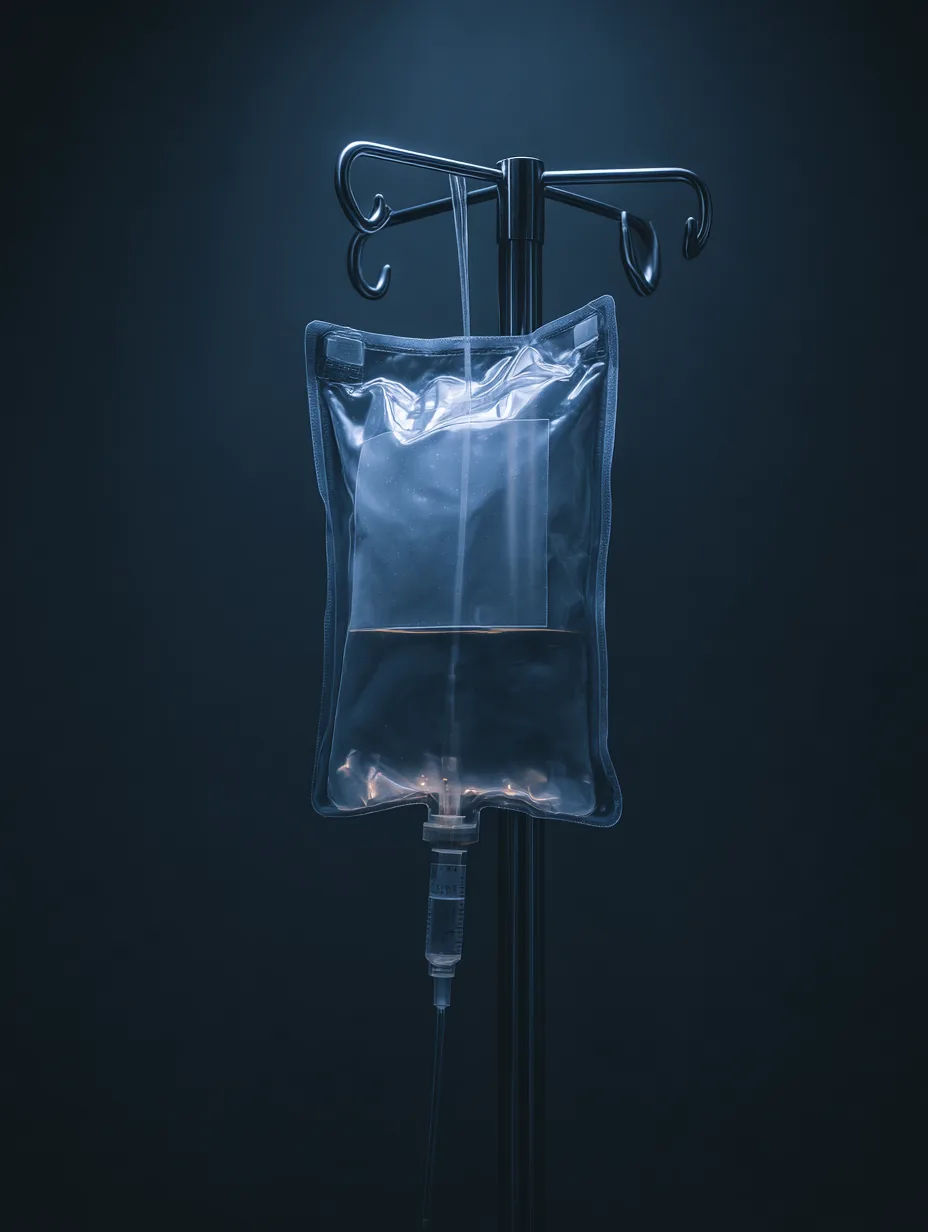
Multivitamin Drip treatment
Forrmula: B-Complex Vitamins, Vitamin B12, Vitamin C, Magnesium, Zinc
View details
 Nordic Lifespan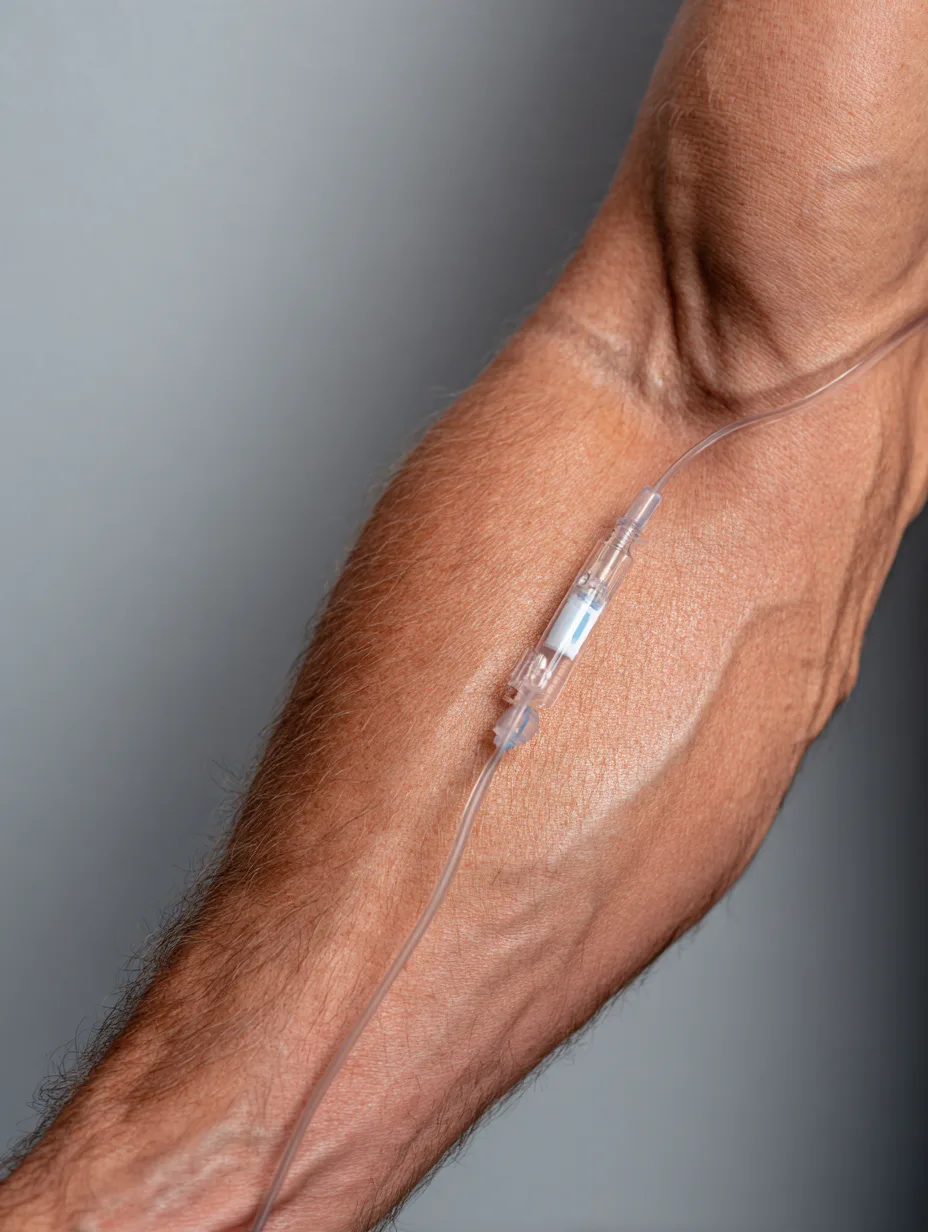
Care visit
Iron deficiency is the most common nutritional gap in the world. In Sweden, it may be the reason you feel like this every day. Common symptoms: Fatigue, brain fog, and a body that doesn't recover the way it used to are often written off as stress or poor sleep. A complete iron panel — and, where needed, a 30-minute IV iron infusion can close that gap directly.
Service overview
Rarely taken as seriously as it should be Iron deficiency is rarely discussed with the seriousness it deserves. The symptoms fatigue, difficulty concentrating, feeling slightly off are easy to attribute to a demanding job, a stressful season, or too little sleep. For many women in Sweden, that is exactly what happens: the underlying cause goes unidentified for years, quietly limiting how well the body and mind perform. What puts you at risk Women lose iron through menstruation every month. For those with heavy periods more common than often acknowledged this loss can be significant enough to deplete iron stores over time, even with an otherwise well-balanced diet. Diet adds another layer. The shift toward plant-based eating reduces intake of haem iron, the form found in meat and fish that the body absorbs most efficiently. Plant-based iron sources exist but are absorbed less readily, so intake and absorption need closer attention. As you move through perimenopause and beyond, hormonal changes further affect how the body regulates iron. The picture becomes increasingly individual a general assumption of "probably fine" is not a substitute for a measurement. You may recognise several of these at once: Persistent fatigue that sleep doesn't fix Difficulty concentrating or a sense of mental fog Reduced capacity during exercise, or slower recovery afterward Heavy or prolonged periods A largely plant-based diet Bloodwork that came back "normal" or in the normal reference but doesn't match how you feel. Standard blood tests often measure haemoglobin alone, which can look normal even when your iron stores are genuinely low. A complete picture requires ferritin the protein that stores iron in the body. Many women with low iron stores are told their results are "fine" because haemoglobin was the only marker checked. This is the gap Nordic Lifespan closes. Iron status is assessed as part of a broad analysis of 120+ biomarkers, giving you a complete, individualised picture of where your levels actually stand not just whether you've crossed the line into anaemia. What low iron actually does to your body Low iron does not just cause tiredness. It affects cognitive function, immune response, cardiovascular performance, and mood. Research links iron deficiency to reduced VO2 max a key marker of cardiovascular fitness and one of the strongest predictors of long-term health. It affects the brain's ability to regulate dopamine and serotonin, and it compromises your ability to maintain muscle mass and recover from physical activity. If you're otherwise active, eating well, and doing what you're supposed to do for your health, unexplained fatigue and reduced capacity are often the first signs that something is off. Iron is frequently the missing piece. Iron, hormones, and the bigger picture Iron deficiency does not exist in isolation. It intersects with hormonal health, thyroid function, and inflammation in ways that are easy to miss when each marker is reviewed separately. Fatigue, brain fog, and reduced physical capacity can reflect low iron, suboptimal thyroid function, and declining oestrogen occurring at the same time conditions that compound one another. This is the kind of complexity preventive medicine is built to navigate: not treating symptoms in isolation, but understanding the full biological picture and acting on it early, before the consequences become harder to reverse. What can be done Iron deficiency is highly treatable. Dietary adjustments, targeted supplementation, and where indicated IV iron therapy can restore levels effectively. The right approach depends on understanding the underlying cause: whether it's dietary, related to absorption, hormonal, or something else. That is why assessment comes before treatment. Supplementing iron without understanding the full picture is not always straightforward, and too much iron carries its own risks. The goal is to understand what your body needs, and why, and to act on that with precision. An iron infusion (Ferinject®) delivers iron directly into the bloodstream, at a clinical concentration oral supplements rarely reach. The infusion itself takes about 30 minutes, and most people notice a clear improvement in energy and mental clarity within a few days.
How it works 1. Book online. Choose a time that suits you it takes under a minute, and no payment is required at booking. You pay comfortably on-site. 2. We confirm your visit. Our team calls to make sure everything looks right ahead of your treatment, so you feel confident before you arrive. 3. A 30-minute infusion. You'll receive your Ferinject® infusion at our Danderyd clinic under physician oversight, relaxed, efficient, and gentle. 4. Follow-up included. One month later, we recheck your iron and ferritin levels at no additional cost, to confirm the treatment has worked.
Clinical services
Browse more appointments from the clinic catalog and compare the right next step before booking.
Care visitForrmula: B-Complex Vitamins, Vitamin B12, Vitamin C, Magnesium, Zinc
 Care visit
Regenerative PRP therapy using your body’s own growth factors to support healing and recovery.
 Care visit
Doctor-led medical weight loss program with personalized treatment and long-term results
Nordic Lifespan